

Lymphedema is a chronic condition that causes swelling due to a buildup of lymphatic fluid, most commonly in the arms or legs. It can develop after cancer treatment, surgery, infection, or trauma that affects the lymphatic system. While lymphedema cannot always be cured, there are highly effective and advanced treatments for lymphedema available today that can significantly reduce symptoms, improve mobility, and enhance quality of life.
Modern lymphedema care focuses on reducing swelling, preventing complications, and restoring function through comprehensive, personalized treatment plans. In this article, we’ll explore the most advanced treatment options for lymphedema and how they work.
Understanding Lymphedema and Its Impact
The lymphatic system plays a vital role in maintaining fluid balance and supporting immune function. When lymph nodes or vessels are damaged or blocked, fluid cannot drain properly. This leads to persistent swelling, skin changes, discomfort, and increased risk of infection.
There are two primary types of lymphedema:
- Primary lymphedema: Caused by congenital or genetic abnormalities in the lymphatic system.
- Secondary lymphedema: Resulting from surgery, radiation therapy, cancer treatment, trauma, or infection.
Early diagnosis and advanced treatment are critical to preventing progression and long-term complications.
Complete Decongestive Therapy (CDT)
One of the most widely recognized and effective advanced treatments for lymphedema available today is Complete Decongestive Therapy (CDT). CDT is considered the gold standard for non-surgical lymphedema management.
Manual Lymphatic Drainage (MLD)
Manual lymphatic drainage is a specialized, gentle massage technique performed by trained therapists. It stimulates lymphatic flow and encourages fluid movement toward healthy lymph nodes, helping reduce swelling and discomfort.
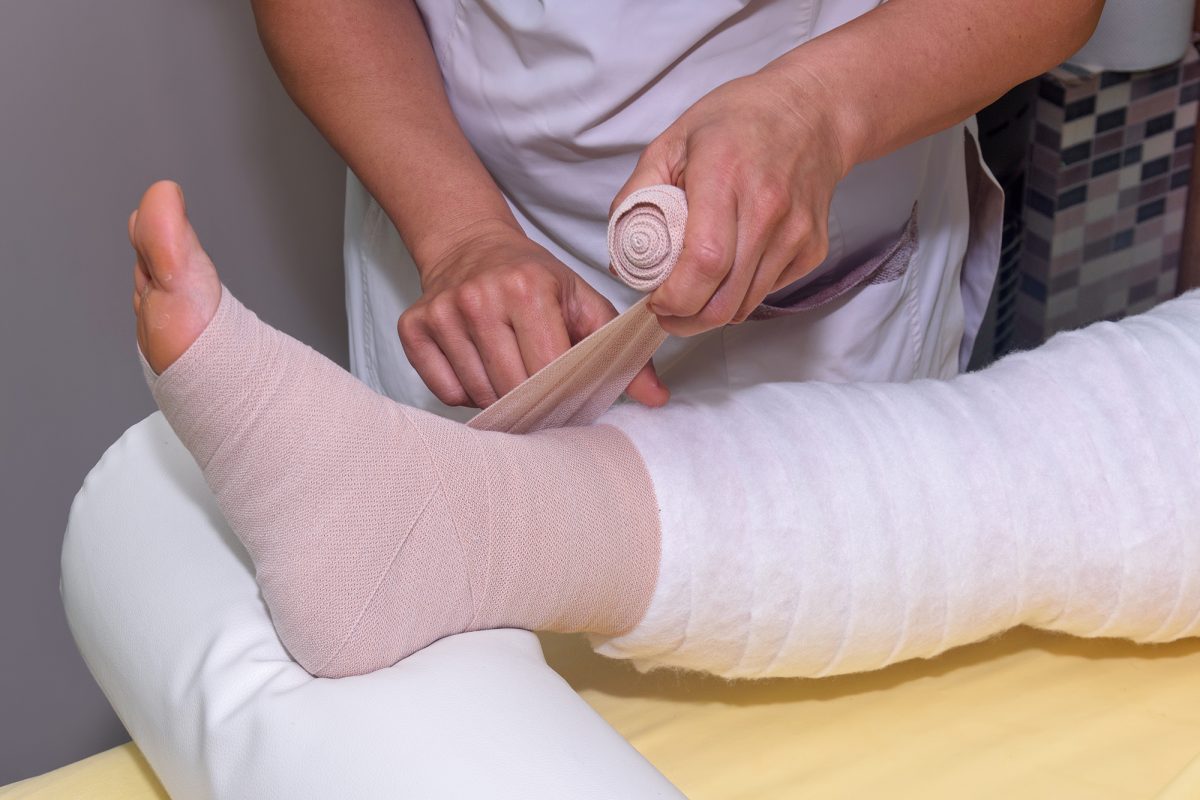
Compression Therapy
Compression bandaging and garments are essential components of advanced lymphedema treatment. They help maintain reduced limb volume, prevent fluid reaccumulation, and support long-term symptom control.
Exercise and Movement Therapy
Targeted exercises improve circulation and stimulate lymphatic drainage. A structured exercise plan designed by a lymphedema specialist can enhance mobility while minimizing strain on affected areas.
Skin Care Management
Proper skin care reduces the risk of infection, which is a common concern in patients with lymphedema. Advanced treatment plans emphasize maintaining skin integrity and preventing complications such as cellulitis.
Advanced Compression Technology
Modern compression solutions go far beyond traditional elastic garments. Newer technologies have made advanced lymphedema treatment more effective and convenient.
Pneumatic Compression Devices
Intermittent pneumatic compression (IPC) devices use inflatable sleeves that apply sequential pressure to the limb. This encourages fluid movement and supports ongoing lymphatic drainage at home.
Custom-Fitted Compression Garments
Advanced compression garments are now designed for better comfort, improved fit, and enhanced durability. Custom options ensure precise pressure distribution, which is critical for effective swelling management.
Surgical Options for Lymphedema
For patients who do not respond adequately to conservative treatments, surgical interventions may be considered. Advances in microsurgical techniques have expanded the treatment options available.
Lymphaticovenous Anastomosis (LVA)
LVA is a minimally invasive microsurgical procedure that connects lymphatic vessels directly to nearby veins. This bypass allows lymph fluid to drain more efficiently, reducing swelling over time.
Vascularized Lymph Node Transfer (VLNT)
In this procedure, healthy lymph nodes are transplanted from one part of the body to the affected area. The transplanted nodes help restore lymphatic drainage and improve long-term outcomes in selected patients.
Liposuction for Advanced Lymphedema
In cases where excess fatty tissue has developed due to chronic lymphedema, liposuction may be used to reduce limb size. This is typically combined with ongoing compression therapy to maintain results.
Emerging and Adjunct Therapies
Ongoing research continues to expand the advanced treatment of lymphedema available. Additional therapies may be integrated into comprehensive care plans.
Low-Level Laser Therapy
Some clinicians use low-level laser therapy to stimulate lymphatic function and reduce inflammation. While research is still evolving, it may offer supportive benefits in select cases.
Advanced Wound Care Integration
Patients with lymphedema who develop wounds or skin breakdown may benefit from integrated wound care services. Combining lymphedema management with advanced wound treatments ensures comprehensive healing support.
The Importance of Early and Specialized Care
The earlier lymphedema is treated, the better the long-term outcomes. Delayed intervention can lead to fibrosis, skin thickening, and more severe swelling that becomes harder to manage.
Seeking care from a specialized lymphedema clinic ensures access to advanced diagnostic tools, experienced therapists, and the latest treatment technologies. A personalized approach is key, as every patient’s condition and goals are unique.
Benefits of Advanced Lymphedema Treatment
- Reduced limb swelling and discomfort
- Improved mobility and range of motion
- Lower risk of infection
- Enhanced quality of life
- Better long-term symptom control
With today’s comprehensive and advanced treatment options, many individuals are able to effectively manage lymphedema and maintain active lifestyles.
Final Thoughts: Hope Through Advanced Lymphedema Care
The advanced treatment of lymphedema available today offers renewed hope for patients living with this chronic condition. From Complete Decongestive Therapy and cutting-edge compression technology to innovative surgical solutions, modern medicine provides multiple pathways to reduce swelling and improve function.
If you are experiencing persistent swelling or have been diagnosed with lymphedema, consulting with a qualified specialist can help you explore the most effective treatment options. With early intervention and a comprehensive care plan, better management and improved quality of life are within reach.